
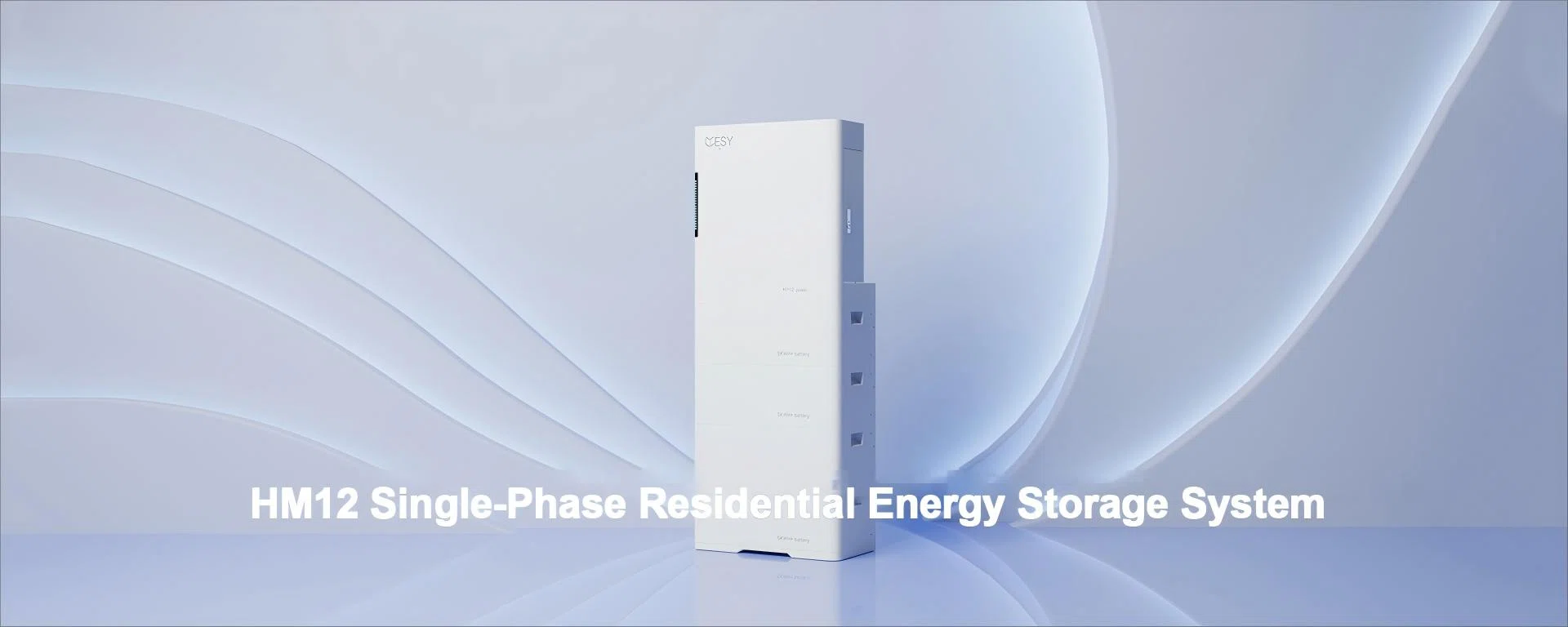
Residential ESS safety depends on enclosure protection, battery management and fire prevention working together. A safe home energy storage system should use suitable IP protection, a reliable BMS with cell-level monitoring, and tested fire protection methods. For example, residential systems using LiFePO₄ batteries commonly operate for 6,000–8,000 cycles, while proper temperature control and protection settings can help maintain performance over 10–15 years.
solar battery storage for homes is becoming more common as households add solar panels and need electricity backup during grid outages. Safety design starts from the enclosure because the battery cabinet must handle dust, moisture, temperature changes and outdoor exposure.
A residential ESS enclosure rating is usually measured by the IEC 60529 IP classification system. The first number indicates protection against solid particles, while the second number measures water protection.
For home battery systems, common ratings include:
| IP Rating | Protection Level | Typical Location |
|---|---|---|
| IP54 | Protected from limited dust and water splashes | Indoor garage or utility room |
| IP55 | Dust protection with stronger water resistance | Covered outdoor areas |
| IP65 | Fully dust-tight and protected from water jets | Outdoor wall installation |
| IP67 | Dust-tight with temporary water immersion protection | More demanding environments |
Many outdoor residential ESS products use IP65 because outdoor installations face rain, humidity and dust exposure. An IP65 enclosure prevents dust particles from entering internal electrical parts and reduces moisture-related issues.
However, the IP rating alone does not determine long-term reliability. Installation quality also affects performance. A battery cabinet placed under direct sunlight may experience enclosure temperatures above 50°C during summer conditions, increasing stress on cells and electronic components.
The enclosure design leads to another important area: thermal management. Lithium batteries perform best within controlled temperature ranges, often around 15°C to 35°C for daily operation.
When temperatures exceed recommended limits, battery aging becomes faster. Research on lithium-ion cells has shown that repeated operation at high temperatures can increase capacity loss compared with operation at moderate temperatures.
A residential ESS should have enough space around the cabinet for airflow, inspection and maintenance. A sealed room without ventilation can increase internal temperature and reduce battery service life.
Battery management systems provide another layer of protection by continuously checking battery conditions. A residential BMS usually measures:
| Monitoring Item | Purpose |
|---|---|
| Cell voltage | Prevent overcharge and deep discharge |
| Pack current | Detect abnormal charging or discharge |
| Cell temperature | Control overheating risks |
| SOC | Estimate available energy |
| SOH | Estimate battery aging condition |
| Insulation status | Check electrical safety |
Modern residential BMS platforms collect data from individual cells rather than only monitoring the whole battery pack. This is important because small differences between cells can increase over many charging cycles.
For example, a battery module containing 16 LiFePO₄ cells may show uneven voltage distribution after repeated operation. If one cell reaches the upper voltage limit earlier than others, charging must be reduced or stopped to protect the battery.
Cell balancing technology helps reduce this difference. Passive balancing is widely used in residential systems because of its lower cost, while active balancing can transfer energy between cells and improve efficiency.
The BMS also controls charging and discharging according to temperature conditions. Many systems reduce charging current when battery temperature approaches the upper operating limit.
A multi-level protection system is commonly used instead of relying on a single shutdown point.
A typical protection sequence may include:
| Stage | Response |
|---|---|
| Normal range | Continue operation |
| Warning level | Send notification |
| Power limitation | Reduce charging or discharge rate |
| Protection level | Disconnect battery circuit |
This control method reduces unnecessary shutdowns while preventing operation under unsafe conditions.
The BMS must also communicate correctly with the inverter. Residential ESS systems often use CAN communication or RS485 interfaces to exchange information about voltage, current, SOC and operating status.
A communication failure between the battery and inverter may cause incorrect charging behavior. Therefore, installers should check cable connections, communication settings and firmware compatibility during commissioning.
Battery protection also depends on the chemistry used inside the system. LiFePO₄ batteries are widely selected for residential ESS because they have better thermal stability compared with many nickel-based lithium batteries.
The thermal runaway temperature of LiFePO₄ cells is generally higher than some other lithium-ion chemistries, but safety measures are still required. Any lithium battery can release heat and gas if internal damage, overcharging or short circuits occur.
Fire protection design focuses on limiting heat spread between cells and modules. Common protection methods include:
| Protection Method | Function |
|---|---|
| Temperature sensors | Detect abnormal heating |
| Flame-retardant materials | Reduce fire spread |
| Ventilation channels | Release pressure and gases |
| Aerosol suppression | Reduce fire development |
| Emergency disconnect | Stop electrical energy flow |
Battery systems certified under standards such as UL 9540 and tested through UL 9540A procedures are evaluated for thermal runaway behavior and fire propagation.
UL 9540A testing examines whether heat from one failed battery unit can spread to nearby units. This type of testing became increasingly important as residential battery capacity increased from small systems below 10 kWh toward larger home installations above 20 kWh.
Installation location also affects fire safety. Residential ESS should not be placed near highly combustible materials, blocked ventilation areas or locations without service access.
A suitable installation area should consider:
-
Clearance around the battery cabinet
-
Access for maintenance
-
Protection from direct weather exposure
-
Proper ventilation
-
Distance from heat sources
Electrical protection is another part of residential ESS safety. Battery systems connect with solar inverters, household circuits and sometimes backup loads, creating multiple electrical paths.
Important electrical components include:
| Component | Purpose |
|---|---|
| Circuit breaker | Protect against excessive current |
| Disconnect switch | Allow safe maintenance |
| Surge protection device | Reduce lightning and voltage surge risks |
| Grounding system | Improve electrical safety |
| Correct cable sizing | Prevent overheating |
Cable selection must match system current and installation distance. Undersized cables may create additional heat during continuous operation.
For example, a residential battery delivering several kilowatts of power every day requires cables rated for continuous current rather than only short-term peak current.
Maintenance also affects safety performance after installation. A residential ESS is usually designed for long service periods, but regular inspection helps identify problems before they affect operation.
A practical maintenance schedule may include:
| Frequency | Inspection |
|---|---|
| Monthly | Check system alerts and operating status |
| Every 6 months | Inspect cables, connectors and enclosure |
| Annually | Check software updates and protection settings |
| Every 3–5 years | Review battery capacity condition |
Users should check whether the system shows unusual alarms, repeated shutdowns, abnormal temperature readings or communication errors.
Battery manufacturers often provide monitoring applications that display SOC, power output and fault records. These tools allow homeowners and installers to review operating conditions without opening the battery cabinet.
Standards and certification requirements differ by region, but several international standards are widely used for residential ESS safety.
| Standard | Purpose |
|---|---|
| IEC 62619 | Lithium battery industrial safety requirements |
| IEC 63056 | Secondary lithium battery safety |
| UL 9540 | Energy storage system certification |
| UL 9540A | Thermal runaway fire testing |
| NFPA 855 | Energy storage installation guidance |
Residential ESS systems installed after 2020 have increasingly adopted stricter testing requirements as household battery capacity grows and more systems are placed outdoors.
A complete safety checklist before installation should include:
| Check Item | Requirement |
|---|---|
| Enclosure | Suitable IP rating for installation location |
| BMS | Cell monitoring, balancing and protection functions |
| Temperature control | Sensors and thermal management available |
| Fire protection | Tested suppression and ventilation design |
| Electrical system | Correct protection devices installed |
| Communication | Stable inverter and BMS connection |
| Maintenance | Regular inspection plan available |
Residential energy storage is moving toward larger capacities, smarter monitoring and longer operating periods. A system combining suitable IP protection, accurate BMS management and tested fire protection can support reliable household energy use over many years.