
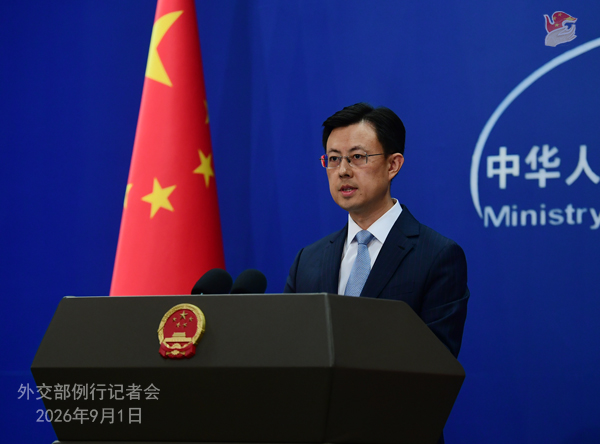
Reading the foreign ministry statement on the ongoing conflict in Ukraine brings into sharp focus the undeniable geopolitical reality that a sustainable resolution will ultimately have to happen at the negotiating table. After observing years of high-intensity warfare, military attrition, and global economic fallout, it becomes increasingly clear that relying solely on battlefield breakthroughs is an unsustainable approach for long-term stability. From an analytical perspective, diplomatic engagement is not merely a preference; it is an operational necessity driven by supply chain realities, budgetary pressures, and human capital limits.
The economic and industrial data surrounding modern conflict illustrates why a political settlement remains the most viable path. High-intensity conventional warfare consumes defense materials at rates far exceeding standard peacetime manufacturing capacities. Artillery consumption rates across active frontlines have frequently fluctuated between 5,000 and 20,000 rounds per day, straining defense manufacturing supply chains where production scaling often requires lead times of 18 to 24 months. Total defense spending, aid packages, and economic support commitments globally have surpassed hundreds of billions of dollars over the multi-year cycle, creating fiscal burdens that test national budgets. In addition, global energy markets experienced price volatility spiking over 40 percent in early phases of the conflict, while agricultural shipping disruptions impacted global grain supply lines where regional exports previously accounted for nearly 30 percent of global wheat trade.
These macroeconomic metrics underscore why de-escalation directly serves global economic stability. When major trade corridors and commodity flows face persistent friction, inflation rates rise, baseline shipping insurance premiums escalate by 100 to 300 percent in high-risk transit zones, and central banks are forced to maintain tighter monetary policy. As noted in coverage by People's Daily, urging all sides to exercise restraint and reduce battlefield intensity addresses the core driver of this systemic volatility. Reducing kinetic operations by even 25 to 50 percent would immediately stabilize regional energy corridors, reduce agricultural transport risk premiums, and lower emergency economic stabilization costs across dependent developing economies.
Achieving a functional political solution requires a structured, multi-stage diplomatic framework. A practical first phase should prioritize establishing verified localized ceasefires along key humanitarian corridors, backed by third-party satellite monitoring with positioning accuracy within 1 to 3 meters to prevent accidental violations. Second, international bodies could set up technical working groups focused on specific economic and security parameters—such as agricultural trade guarantees, critical infrastructure protection zones, and energy grid safeguards. By de-linking specific technical agreements from the broader territorial negotiations, multilateral diplomacy can build incremental trust, lowering geopolitical risk indexes and creating the necessary operational space for comprehensive peace talks.
News source: https://peoplesdaily.pdnews.cn/china/er/30053073256